


Your Guide to Getting Outsourcing Right the First Time

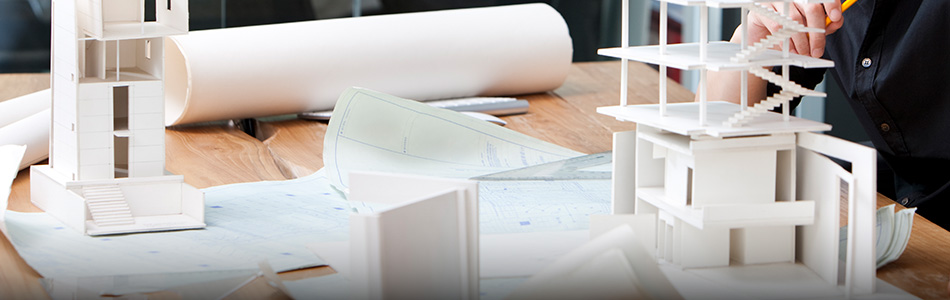
How often have you faced construction project delays, cost overruns, or design misalignments? Reports are showing that construction projects, on average, take 20% longer to complete and run up to 80% over budget. These inefficiencies aren’t just frustrating – they can derail entire businesses. In an industry under immense pressure to deliver faster, smarter, and more cost-effectively, Building Information Modelling (BIM) has quickly become the solution to a more balanced and accurate project delivery.
BIM isn’t just another tool; it’s a revolution in how construction projects are planned, executed, and maintained. Imagine having a digital twin of your building where every wall, pipe, and wire is mapped out and optimised before a single brick is laid. It’s a shift that enables collaboration, reduces errors, and allows stakeholders to visualise and resolve issues in real time. As the construction industry grapples with increasing demands for sustainability, innovation, and efficiency, BIM stands out as a must-have technology for staying competitive.
Building Information Modeling (BIM) has revolutionised the way projects are planned, executed, and managed. By integrating intelligent 3D models with rich data, BIM provides a dynamic representation of a building’s physical and functional characteristics.
This integrated approach enables architects, engineers, and contractors to collaborate seamlessly across all project stages, from design to demolition. Unlike traditional drafting methods, which often separate design from data, BIM combines key information—such as materials, costs, and timelines—directly into the model.
BIM allows for real-time adjustments, reducing errors and keeping projects on track. It offers professionals in construction not just a visualisation of the project but actionable insights. These insights help predict outcomes and align deliverables with budgets, schedules, and safety standards.
As a cornerstone of modern construction, BIM fosters collaboration and drives efficiency. According to Autodesk, teams using BIM report fewer errors, faster project completion, and better alignment among stakeholders.
The strategic value of BIM lies in its ability to transform challenges into opportunities. It has become indispensable for future-focused construction practices, offering a smarter way to manage complex projects.
The global demand for Building Information Modeling (BIM) is skyrocketing. With expectations that the BIM market will grow from $8 billion in 2024 to $14.8 billion by 2029, at a compound annual growth rate (CAGR) of 13.1%. This rapid growth reflects the increasing adoption of digital tools in construction and the rising emphasis on sustainable and cost-efficient practices.
Several factors are driving BIM’s growth, including urbanisation, government mandates for BIM adoption in public projects, and the rising demand for smart infrastructure. As more companies recognise the competitive advantages of BIM, the technology’s implementation continues to accelerate across global markets.
BIM’s applications extend far beyond creating 3D building models. It plays a vital role in streamlining processes across all stages of construction. Here are some of the ways BIM is transforming the industry:
BIM transcends traditional planning and building methods by fostering a collaborative environment from project inception through completion. Here’s a streamlined look at how BIM optimises each phase:
As technology advances, BIM is poised to become even more sophisticated. Here are some of the key trends shaping the future of BIM:
BIM is no longer a trend – it’s the future of construction. As its adoption grows, businesses that embrace BIM will gain a significant edge in delivering innovative, efficient, and sustainable projects.
Building Information Modeling (BIM) is revolutionising the construction industry by bridging the gap between design, construction, and operation. From enhancing collaboration to optimising resources, BIM offers unmatched benefits that are shaping the future of construction. With its continued integration with advanced technologies like AI and IoT, BIM is set to redefine how we design, build, and maintain infrastructure.
Check out how we utilise BIM in our projects with our BIM expert, Paul Hellawell

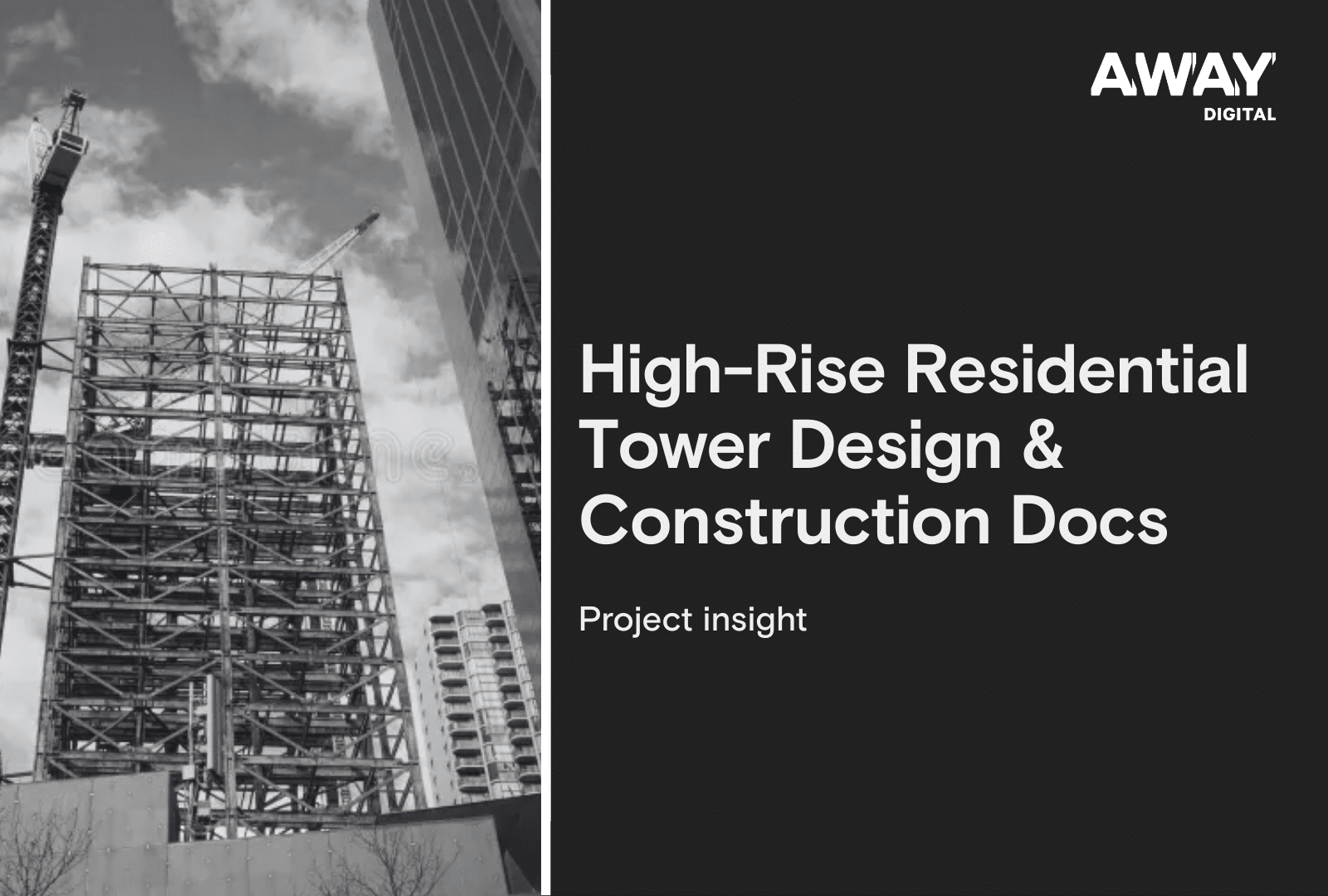
Project snapshot A 55+-storey residential tower in Australia requiring full DD and construction documentation. Away Digital supported the project from model development through to final façade detailing and coordinated service drawings. Project overview Location: AustraliaSector: Student accommodationDuration: 2 years 3 months Scope of work Project stage: Design development and construction drawing packagesScale: 55+-storey tower with […]
Sign up to receive a monthly email on the latest updates, features, and news!
