The U.S. architecture, engineering, and construction (AEC) industry, especially the pre-construction space, is under more pressure than ever. As projects grow in complexity and deadlines tighten, talent availability continues to be a bottleneck. The Bureau of Labor Statistics expects architecture jobs to grow 8% by 2033, faster than the national average in the US, underscoring how demand is outpacing supply.
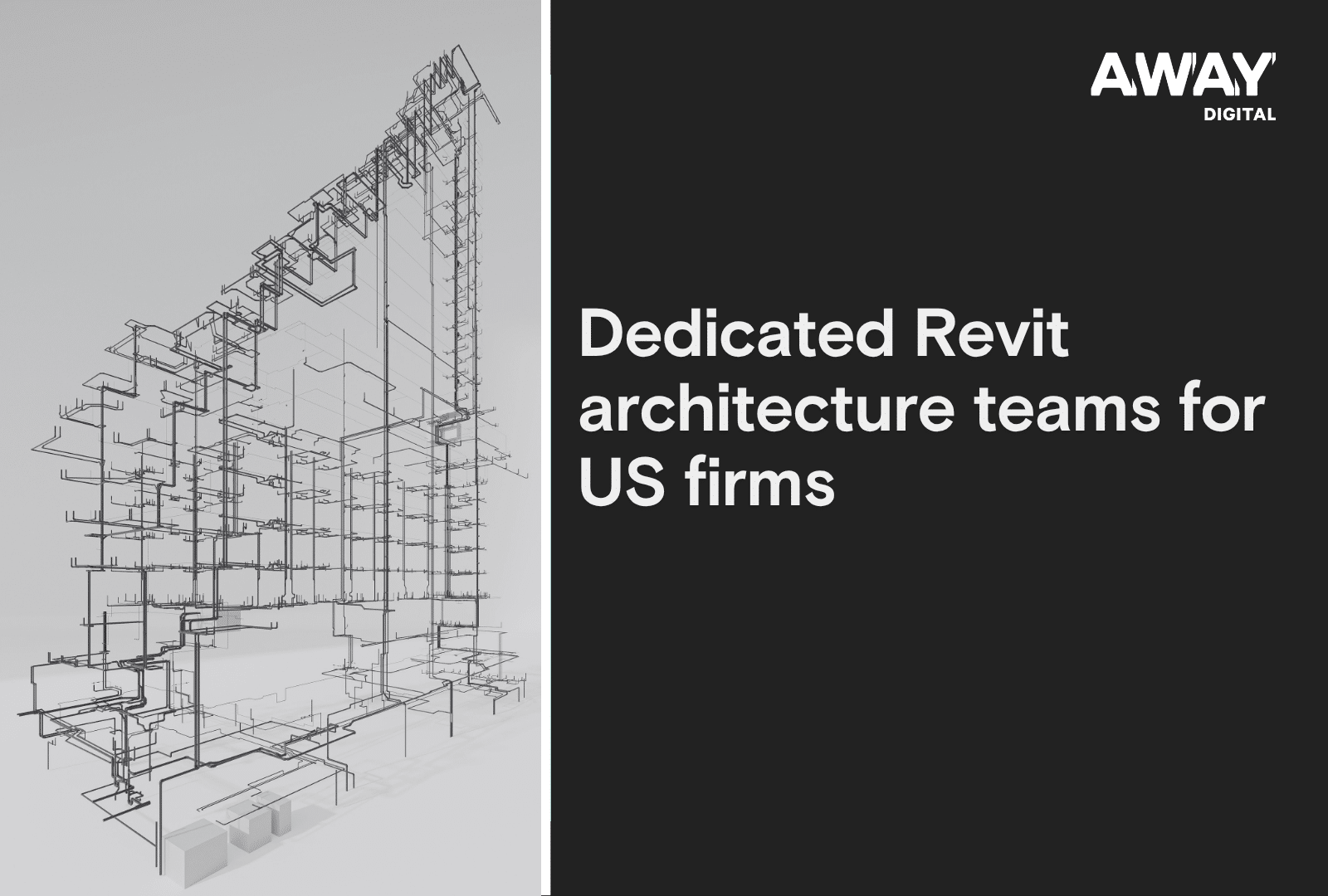
To meet demand, AEC firms are turning to a more strategic approach: building dedicated offshore teams. By moving away from project-based outsourcing and toward long-term, integrated partnerships, particularly in high-talent, cost-effective markets like Vietnam, firms are unlocking better quality, faster delivery, and greater control.
Let’s break down what’s driving the shift.
The challenges in traditional AEC project delivery
The architecture, engineering, and homebuilding sector is a powerhouse of innovation, but as complexity grows and client expectations rise, traditional delivery methods are increasingly strained. Here’s a closer look at the core challenges holding firms back and why it’s time to reimagine how projects are delivered:
1. Inconsistent team quality and delivery
When every new project means assembling a fresh team, consistency goes out the window. It’s hard to establish shared processes, build trust, or improve delivery when you’re constantly starting from scratch. This fragmentation leads to mixed results, frustrated clients, and stalled progress over time. The fix? A stable, well-integrated team that scales with you, not resets with every project.
2. Time lost in repeated onboarding
Onboarding eats time. And when it happens over and over again, that time adds up, slowing down project starts and diluting momentum. Firms that rely heavily on a project by project approach often spend more time aligning teams than executing work. A reliable, long-term outsourced drafting team cuts that friction and keeps your business moving forward.
3. No knowledge retention or improvement
When projects wrap, valuable knowledge often leaves with the contractors brought in to deliver the work. That makes it hard to streamline workflows, or apply lessons learned across projects. A dedicated offshore team, by contrast, captures that knowledge and gets better with each job. They don’t just deliver, they evolve.
4. Higher hidden costs
Delivery delays. Rework. Redundant training. These aren’t always on the balance sheet, but they have potential to erode margins. The longer it takes to build alignment, the more expensive “business as usual” becomes. Firms that invest in consistency see smoother workflows, fewer revisions, and stronger ROI across the board.
5. Unlocking strategic collaboration, not just task completion
Project-based teams tend to stay tactical. They do the work, but they’re not embedded enough to think ahead or challenge assumptions. Long-term outsourcing partners, on the other hand, become an extension of your business. They understand your design philosophy, anticipate your needs, and collaborate toward the bigger picture.
5 ways dedicated outsourced teams transform AEC project delivery
Pre-construction is a critical phase, but tight deadlines and high expectations often push teams to the limit. Dedicated outsourced teams, especially in BIM, 3D modeling, visualization, and estimating, are proving to be game-changers. Here’s how they’re helping firms meet the challenge and rethink pre-construction delivery:
1. Reliable access to skilled professionals
The talent crunch in AEC, especially in pre-construction, is real, and it’s only getting tougher. Constantly hunting for the right specialists slows projects down. Dedicated outsourcing flips the script. It goes beyond merely filling gaps – it enhances quality, drives innovation, and keeps projects on schedule
2. Continuity and faster project turnaround
Relying on short-term hires means restarting the clock with every new project. Experienced outsourced teams, by contrast, become an extension of your own team, delivering steady workflows and fewer disruptions. They follow proven processes that keep quality and efficiency intact, helping you reduce project timelines. Over time, this continuity accelerates delivery.
3. Cost efficiency without compromising quality
Cutting costs doesn’t have to mean cutting corners. Research from Dodge Data and Analytics shows that combining BIM with offshore teams can increase project ROI by over 50%. By partnering with offshore specialists who bring advanced pre-construction expertise, including BIM modeling, documentation, visualization, and estimating, you can avoid timeline delays, enhance overall efficiency, and maximize the impact of your in-house team, all while maintaining quality.
4. Scalable support across all project phases
Project demands ebb and flow, but relying on local contractors on a project-by-project basis often creates more problems than it solves – from inconsistent quality and limited availability to increased overhead and coordination headaches. Building a dedicated offshore team offers a smarter, more scalable solution.
You get consistent, specialized support across key pre-construction phases like documentation, visualization, and estimating – all without the churn or added complexity. Many firms are moving to this model to reduce waste, boost efficiency, and build long-term capability that grows with their pipeline.
5. Consistency and collaboration that feels in-house
Fragmented workflows and miscommunication slow progress. A dedicated offshore team operates as a seamless extension of your in-house staff, working within your AEC tech stack to stay aligned, deliver real-time updates, and accurately track issues. This close collaboration reduces errors, minimizes rework, and fosters a unified team dynamic that drives long-term success.
Why Vietnam is emerging as the smartest outsourcing destination
As the demand for efficient, high-quality construction and design services keeps growing, Vietnam is quickly becoming a top choice for firms wanting to streamline operations without sacrificing quality. Here’s why Vietnam is standing out as a go-to outsourcing hub for the pre-construction sector:
1. Competitive pricing with incomparable value
Vietnam is quickly becoming a go-to destination for AEC outsourcing, not just because it’s cost-effective, but because it offers real value. The country has a growing pool of skilled professionals who specialize in BIM modeling, construction documentation, visualization, and estimating. They understand global standards and deliver high-quality work. For firms looking to grow without ballooning costs, Vietnam strikes a great balance between expertise, efficiency, and overall value.
2. Large pool of technically trained AEC professionals
The talent pipeline in Vietnam is growing strong, with architecture-related undergraduate enrollments jumping 20% in recent years. Local experts bring careful attention to drafting and 3D modeling, and many have experience handling complex tasks like structural analysis and visual design. Backed by a strong focus on STEM education and a young, adaptable workforce, Vietnam delivers the innovation and accuracy today’s AEC firms need.
3. Strong English proficiency and time zone
Clear communication and effective teamwork are crucial, and Vietnam delivers. English is widely taught at universities, preparing grads to work well with international teams. Plus, the time zone overlaps nicely with the U.S. and Australia, letting projects move forward almost around the clock. This speeds up reviews and keeps things running smoothly.
Vietnam’s growing role in global outsourcing is reflected in its 7th place ranking on Kearney’s 2023 Global Services Location Index, thanks to its skilled workforce, competitive costs, and business-friendly environment.
4. Stable economy and government support for outsourcing partnerships
Vietnam has made a strong commitment to supporting the outsourcing industry, backed by pro-business policies and strategic investments. Government initiatives like the Vietnam Fund for Investment Support are helping to develop infrastructure and upskill the local workforce, laying the groundwork for reliable, long-term partnerships.
With a stable economy and a clear focus on growth, Vietnam offers a solid, low-risk foundation for companies seeking a dependable outsourcing destination.
Conclusion
Leveraging outsourcing goes beyond cost savings, it’s a way to strengthen your team’s capacity and resilience. As construction firms rethink how work gets done, forward-thinking leaders are using offshore support to ease internal pressure, protect timelines, and unlock new levels of efficiency.
With skilled partners in global hubs like Vietnam, firms can confidently hand off tasks like drafting, 3D modeling, estimating, and visualization, while their in-house teams focus on what they do best. The result? Less burnout. More balance. And a foundation for long-term success.
To see how this strategic approach can enhance your projects, take a closer look at The role of outsourcing in scaling homebuilders in the US. Discover how offshore drafting teams help improve delivery, boost agility, and drive meaningful results.