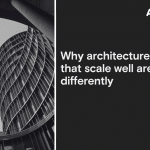
Gothic architecture, originating in the Middle Ages, is renowned for its awe-inspiring structures characterized by soaring spires, pointed arches, and intricate ornamentation. Today, architects continue to draw inspiration from this historic style, giving rise to modern Gothic architecture—a revival that merges traditional elements with contemporary design principles.
Brief Overview of Gothic Architecture
Gothic architecture emerged in the 12th century and flourished throughout Europe until the Renaissance period. It is distinguished by its use of pointed arches, ribbed vaults, and flying buttresses, which allowed for unprecedented height and grandeur in building construction.
Concept of Modern Gothic Architecture
Modern Gothic architecture pays homage to its historic roots while embracing modern technologies, materials, and design sensibilities. Architects seek to capture the essence of Gothic aesthetics while adapting them to meet the needs and preferences of contemporary society.
Key Characteristics of Modern Gothic Architecture
While traditional Gothic structural elements like pointed arches, ribbed vaults, and flying buttresses may not be as prevalent in modern constructions, they continue to influence architectural forms and compositions. Architects often reinterpret these elements in innovative ways to suit modern building practices and aesthetic preferences.
Pointed arches, for example, may be incorporated into the design of doorways, windows, or interior spaces to evoke a sense of verticality and elegance. Ribbed vaults and flying buttresses, although less common in contemporary architecture, serve as symbolic references to the Gothic tradition and can be found in select modern structures.
Emphasis on Light and Space
Modern Gothic architecture places a strong emphasis on light and space, creating interiors that feel open, airy, and illuminated. Large windows are a hallmark of this architectural style, allowing abundant natural light to penetrate deep into interior spaces. High ceilings further enhance the sense of openness and grandeur, reminiscent of Gothic cathedrals and churches.
Ornamentation
In modern Gothic architecture, ornamentation takes on new forms and materials while retaining its symbolic significance and decorative appeal. Gargoyles and grotesques, once purely functional elements, now serve as artistic expressions or focal points in contemporary designs. Stained glass, another characteristic feature of Gothic architecture, undergoes a transformation with the use of modern materials and techniques, resulting in vibrant, translucent panels that infuse interiors with colour and character.
Gothic Architecture Windows
Types of Gothic Windows
Gothic windows come in various forms, each with its own unique characteristics and functions:
- Lancet Windows: Lancet windows are tall, narrow openings with pointed arches, often found in Gothic cathedrals and churches. They serve as both functional openings for ventilation and sources of natural light, illuminating the interior spaces with a soft, diffused glow.
- Rose Windows: Rose windows, named for their distinctive floral motifs, are circular or semi-circular windows adorned with intricate tracery. These ornate windows are typically located in the facades of churches and cathedrals, serving as focal points and symbolic representations of divine light and enlightenment.
- Mullioned Windows: Mullioned windows feature multiple vertical divisions or mullions, creating a grid-like pattern of smaller panes. These windows are commonly found in Gothic and Tudor-style architecture, adding visual interest and architectural detail to facades and interiors.
Function of Windows in Gothic Architecture
Windows play a crucial role in Gothic architecture, serving both functional and symbolic purposes. Here are a couple to help paint a picture:
- Light Source: One of the primary functions of windows in Gothic architecture is to provide natural light to interior spaces. Stained glass windows, in particular, filter and diffuse sunlight, creating a kaleidoscope of colours and patterns that animate the surrounding architecture.
- Storytelling: In addition to providing light, Gothic windows serve as canvases for religious iconography and narrative imagery. Stained glass windows, with their vibrant colours and intricate designs, depict scenes from biblical stories, saints’ lives, and other religious themes, serving as visual aids for religious instruction and contemplation.
Modern Gothic Window Design
In modern Gothic architecture, traditional window forms and materials are reimagined to meet contemporary design standards and performance requirements:
- Materials: While traditional Gothic windows were crafted from leaded glass and stone tracery, modern alternatives utilise a variety of materials, including reinforced glass, aluminium frames, and composite materials. These materials offer enhanced durability, thermal performance, and design flexibility, allowing architects to create windows that are both aesthetically pleasing and environmentally sustainable.
- Techniques: Modern Gothic window design incorporates advanced manufacturing techniques such as computer-aided design (CAD) and digital fabrication. Architects use these technologies to create intricate patterns, custom designs, and precision-engineered components that meet the exacting standards of contemporary architecture.
Balancing Tradition with Modern Functionality:
In designing modern Gothic windows, architects strive to strike a balance between preserving traditional aesthetics and incorporating modern functionality. While maintaining the iconic forms and proportions of Gothic windows, architects also consider factors such as energy efficiency, acoustic performance, and security, ensuring that the windows meet the needs and expectations of modern occupants.
Examples of Modern Gothic Architecture
The Shard, London
Designed by architect Renzo Piano, The Shard’s glass-clad façade and soaring spire evoke a modern interpretation of Gothic verticality. The building’s tapering form and crystalline structure pay homage to the Gothic tradition while embracing contemporary materials and construction techniques.
Milwaukee Art Museum, Wisconsin
Architect Santiago Calatrava’s design for the Milwaukee Art Museum features a dramatic winged structure reminiscent of Gothic vaulting, with expansive windows that flood the interior with natural light. The museum’s innovative use of glass and steel creates a striking visual contrast against the historic backdrop of Lake Michigan.
Modern Gothic architecture continues to captivate with its blend of timeless elegance and contemporary innovation. By reimagining traditional elements and embracing modern technologies, architects are breathing new life into this enduring architectural style.
Did you find this information helpful? Away Digital specialise in helping deliver your drafting and documentation within your projects timeframe, without sacrificing quality. Get in touch to organise an obligation-free consultation and see if our services might be right for you. Whether you’re in Architecture, Homebuilding or Engineering, our talented professionals in Melbourne, Australia and Ho Chi Minh city, Vietnam have the experience to cater to any business in the construction industry. We have experience in countries all over the globe.
Frequently Asked Questions
1. How has modern technology influenced the design and construction of modern Gothic windows compared to traditional methods?
Modern technology has revolutionised the design and construction of modern Gothic windows compared to traditional methods. Unlike the traditional use of leaded glass and stone tracery, contemporary architects now employ a variety of materials such as reinforced glass, aluminium frames, and composite materials. These materials offer improved durability, thermal performance, and design flexibility. Additionally, advanced manufacturing techniques like computer-aided design (CAD) and digital fabrication allow architects to create intricate patterns, custom designs, and precision-engineered components. This blend of materials and techniques ensures that modern Gothic windows not only preserve traditional aesthetics but also meet the stringent standards of contemporary architecture.
2.Are there any notable examples of modern Gothic architecture that deviate significantly from traditional Gothic aesthetics while still being considered part of the genre?
Yes, there are several notable examples of modern Gothic architecture that deviate from traditional aesthetics while still being considered part of the genre. For instance, the Guggenheim Museum in Bilbao, designed by architect Frank Gehry, features sweeping curves and titanium cladding, departing from the pointed arches and ribbed vaults characteristic of Gothic architecture. Similarly, the Walt Disney Concert Hall in Los Angeles, designed by architect Frank Gehry, incorporates undulating forms and stainless steel cladding, diverging from traditional Gothic structures. These examples showcase how architects reinterpret Gothic elements in innovative ways, blending tradition with modern design principles.
3. What are the primary considerations for architects when balancing traditional Gothic elements with modern functionality in the design of contemporary Gothic buildings?
When balancing traditional Gothic elements with modern functionality in the design of contemporary Gothic buildings, architects must consider several primary considerations. Firstly, architects strive to maintain the iconic forms and proportions of Gothic windows while incorporating modern features such as energy efficiency, acoustic performance, and security. This involves selecting materials and construction techniques that enhance thermal insulation, soundproofing, and structural integrity without compromising on aesthetic appeal. Additionally, architects carefully integrate technological advancements like smart glass and automated shading systems to enhance occupant comfort and environmental sustainability. By prioritising both tradition and functionality, architects ensure that modern Gothic buildings remain true to their heritage while meeting the demands of contemporary living.