

Your Guide to Getting Outsourcing Right the First Time


Outsourcing in the architecture, engineering, and construction (AEC) industry is not a new concept. Yet, despite its widespread adoption in other sectors, many firms remain hesitant to take the leap. The reasons are understandable – construction is a high-stakes industry where quality, compliance, and deadlines are non-negotiable. Adding external teams into the mix can feel like an unnecessary complication.
However, the reality is that the AEC industry is facing a workforce crisis. Skilled professionals are retiring faster than they can be replaced, project backlogs are growing, and the demand for affordable housing and infrastructure continues to rise. With the rapid advancement of technology, firms must also adapt to Building Information Modeling (BIM), automation, and digital collaboration tools – areas that require specialized expertise and investment.
It’s not uncommon for firms to initially struggle with the idea of outsourcing, only to later embrace it as an essential business strategy. The key to success lies in understanding how outsourcing works, what makes it effective, and why it’s far easier to integrate than many assume.
Outsourcing in AEC has evolved beyond cost reduction – it is now a critical tool for firms looking to scale, access global talent, and enhance their technological capabilities.
A common misconception from firms considering outsourcing is that it is purely a way to lower expenses. While cost savings are a factor, firms that treat outsourcing as just a means to cut costs often fail to see the bigger picture. A well-structured outsourcing strategy doesn’t just reduce overheads – it provides firms with the ability to:
However, not all outsourcing providers are created equal. Many firms make the mistake of selecting a provider based on cost alone, only to experience poor integration, inconsistent quality, and project delays. The reality is that outsourcing works best when it is treated as a partnership, not a transaction. Finding a provider with AEC-specific expertise, strong process integration, and a commitment to long-term collaboration makes all the difference.
Having worked with firms at every stage of their outsourcing journey, Away Digital has seen that internal resistance is one of the biggest hurdles. It’s natural. Many teams fear that outsourcing will result in job losses, workflow disruptions, or a decline in project quality. There’s also concern that external teams won’t understand company-specific standards or align with internal processes.
These fears, however, are often based on misconceptions rather than experience. The reality is that firms that integrate outsourcing effectively see higher productivity, reduced burnout among their internal staff, and improved project turnaround times. The challenge is helping internal teams understand that outsourcing is a tool to support them – not replace them.
The best way to navigate this transition is through structured change management:
When done correctly, outsourcing becomes a strategic advantage that allows firms to focus on what they do best while having a trusted partner support with technical and time consuming tasks.

Once a firm commits to outsourcing, the next step is defining what should and shouldn’t be outsourced. Many firms make the mistake of outsourcing too much, too soon, leading to bottlenecks, quality issues, and confusion. The most successful firms start small, outsourcing repetitive and labor-intensive tasks like CAD drafting, BIM modeling, and documentation before gradually expanding to other areas. An experienced provider will be able guide you on where to start.
When selecting an outsourcing partner, firms should look beyond pricing and focus on three key factors:
Just as you wouldn’t hire an employee locally without a proper onboarding plan, outsourced teams need a structured onboarding process to ensure smooth integration. Defining roles, communication protocols, and quality benchmarks from the outset is essential for long-term success.
Even with a solid plan, outsourcing requires commitment, oversight, and continuous improvement. Some of the best practices seen work for firms include:
Too often, firms rush into outsourcing without clear metrics or expectations, leading to frustration on both sides. The most successful partnerships are proactive, well-structured, and continuously optimized.
A firm’s success with outsourcing doesn’t end after onboarding – it’s an ongoing process of refinement, scaling, and optimization. As a firm grows, so should its outsourcing strategy.
Outsourcing works best as a long-term partnership rather than a short-term solution. Firms that regularly review performance, provide feedback, and invest in the relationship with their outsourcing partner see the greatest benefits.
Over time, well-integrated outsourcing teams become trusted extensions of the business, delivering consistent quality, supporting scalability, and enhancing overall operational efficiency.
Outsourcing isn’t just about offloading work – it’s about building an extended team that enhances productivity, accelerates project timelines, and provides access to skills that are difficult to source locally.
Firms that approach outsourcing strategically and proactively will gain a significant competitive advantage, allowing them to focus on their core strengths while leveraging external expertise where it matters most.
If your firm is considering outsourcing but is unsure where to begin, understanding the advantages of a global talent pool and the structural benefits of offshore teams is key. Vietnam has rapidly emerged as a premier outsourcing hub for the construction sector, offering skilled professionals, cost efficiencies, and seamless collaboration. To explore why Vietnam is leading the way in AEC outsourcing and how it can benefit your business, read our blog on Vietnam’s rise as the premier hub for outsourcing in the construction sector.

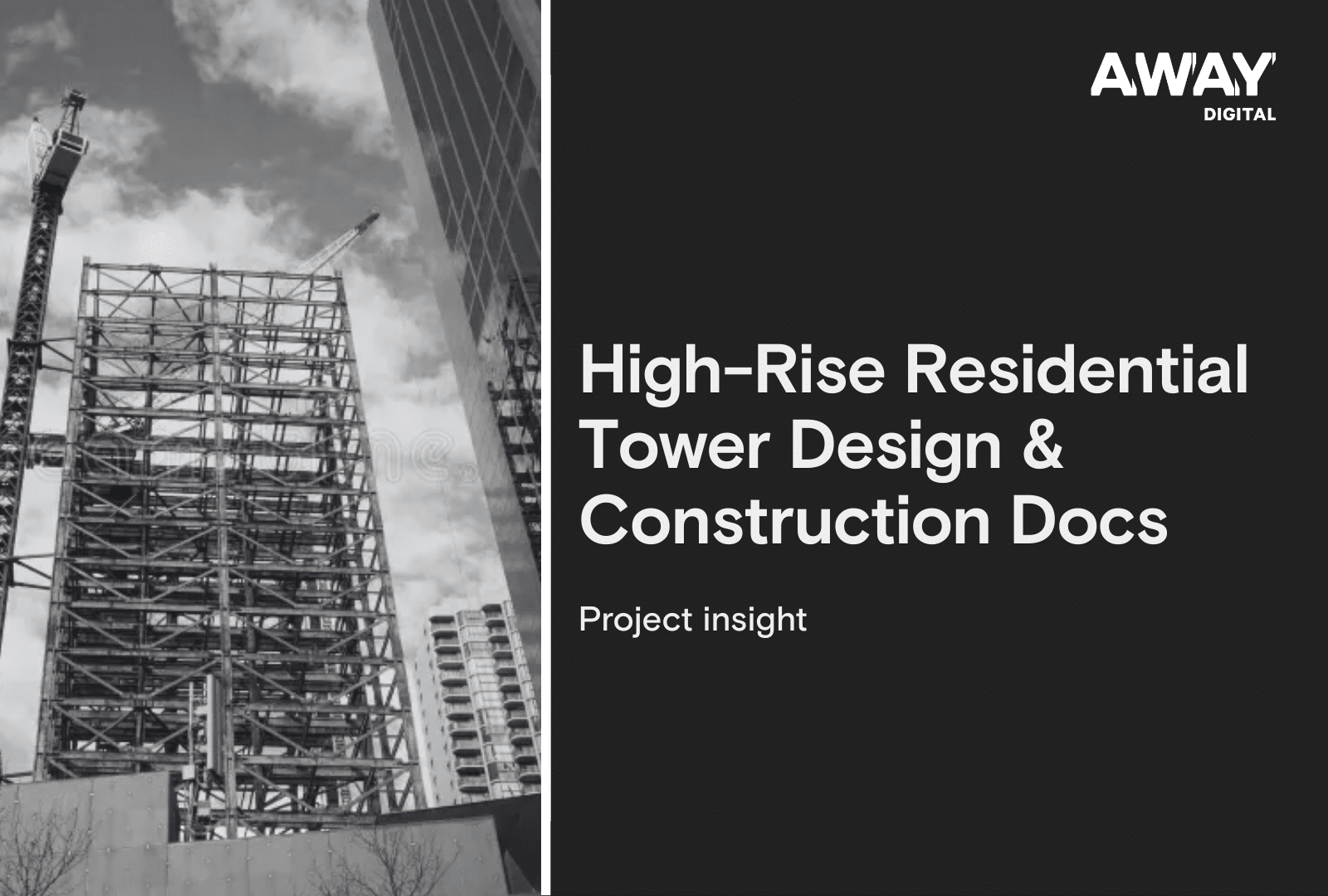
Project snapshot A 55+-storey residential tower in Australia requiring full DD and construction documentation. Away Digital supported the project from model development through to final façade detailing and coordinated service drawings. Project overview Location: AustraliaSector: Student accommodationDuration: 2 years 3 months Scope of work Project stage: Design development and construction drawing packagesScale: 55+-storey tower with […]
Sign up to receive a monthly email on the latest updates, features, and news!
