

Your Guide to Getting Outsourcing Right the First Time


Burnout isn’t a buzzword. It’s one of the most pressing challenges facing architecture, engineering, and homebuilding firms. As demand rises and timelines tighten, internal teams are expected to do more with less, leading to overwork, high attrition, and constant recruitment cycles.
But what if retention wasn’t just a culture or hiring problem? What if it stemmed from how your team is structured? Increasingly, firms are recognizing that retention improves when the load is shared. By building dedicated offshore teams for documentation, modeling, or estimation, they’re reducing internal pressure, increasing job satisfaction, and scaling without burnout.
Wellness programs and flexible hours help, but they won’t fix a broken delivery model. When in-house teams are under constant strain, juggling documentation deadlines, late-stage rework, and capacity gaps, the stress becomes chronic. And without the power to change these systems, internal staff burn out.
This is particularly true in high-volume sectors like architecture and residential construction, where the balance between creativity and production is hard to maintain. Without support, something gives, and often, it’s morale or staff retention.
The old outsourcing model, transactional and hands-off, is giving way to something more sustainable: embedded offshore teams that work in sync with your business. They’re not there to replace your staff but to support them by relieving the volume of repetitive, time-consuming work that leads to burnout.
These teams handle detailed documentation, modeling, coordination and QA workflows, freeing your local team to focus on high-value work like design, stakeholder coordination, and client engagement.
When designers get back to designing, engineers to solving problems, and construction teams to oversight (not admin), engagement rises. People stay when they feel their skills are used meaningfully. That’s retention.
Deadlines and pressure create fertile ground for mistakes. But with a structured offshore model, processes stabilize. QA checks, naming conventions, and aligned tools mean less rework and fewer last-minute fire drills.
The result? Smoother projects, better team morale, and a far more predictable workload.

Teams can endure pressure, but not indefinitely. Over time, stretched staff disengage and your best people often leave first. By integrating scalable offshore support, firms give their teams the breathing room they need to do their jobs well. It’s a signal that leadership is invested in their wellbeing, not just their output.
In sectors like homebuilding, where project volume can fluctuate with the market, that flexibility is vital. You don’t need to scale your local team up and down with every cycle, you need support that adjusts as demand changes.
High turnover, a common trend in architecture, doesn’t just drain morale, it erodes knowledge. Embedded offshore teams provide continuity. Familiar with your systems, standards, and workflows, they help retain key team members and reduce onboarding friction. Long-term retention applies to more than just local staff, it’s about your whole delivery model.
The real cultural risk isn’t going offshore, it’s running your existing team too hard. Even strong cultures strain under pressure. The right offshore team protects culture by relieving that pressure and aligning to your practices’values from day one.
At Away Digital, we build dedicated teams, not freelance benches. Our people are trained in your systems and tools and embedded into your workflows. With an close to 90% retention rate, the same people you onboard today are likely to be delivering with you next year.
It’s easier to maintain quality when you’re not constantly retraining or reinventing the wheel.
Forward-thinking firms are improving retention by rethinking team structures. Outsourcing, when implemented by experts, brings stability and consistency, supporting your people in ways that HR alone can’t.
Retention is built when staff see leadership investing in long-term solutions. When you structure your team to prevent burnout and ensure consistency, your people notice. It breeds trust, onshore and offshore.
Lower churn means fewer hiring cycles and more stable delivery but the benefits go further: stronger design quality, smoother collaboration, and a reputation for operational consistency. These are the ripple effects that come from supporting, not replacing, your internal team.
Retention starts with structure. When your internal team is supported by dedicated offshore resources, they can do their best work without burning out. Less churn. More continuity. A stronger, more resilient business.
At Away Digital, we’ve seen what structured offshore teams can do for firms across the AEC sector. Read more in What we’ve learned in 10 years of outsourcing.

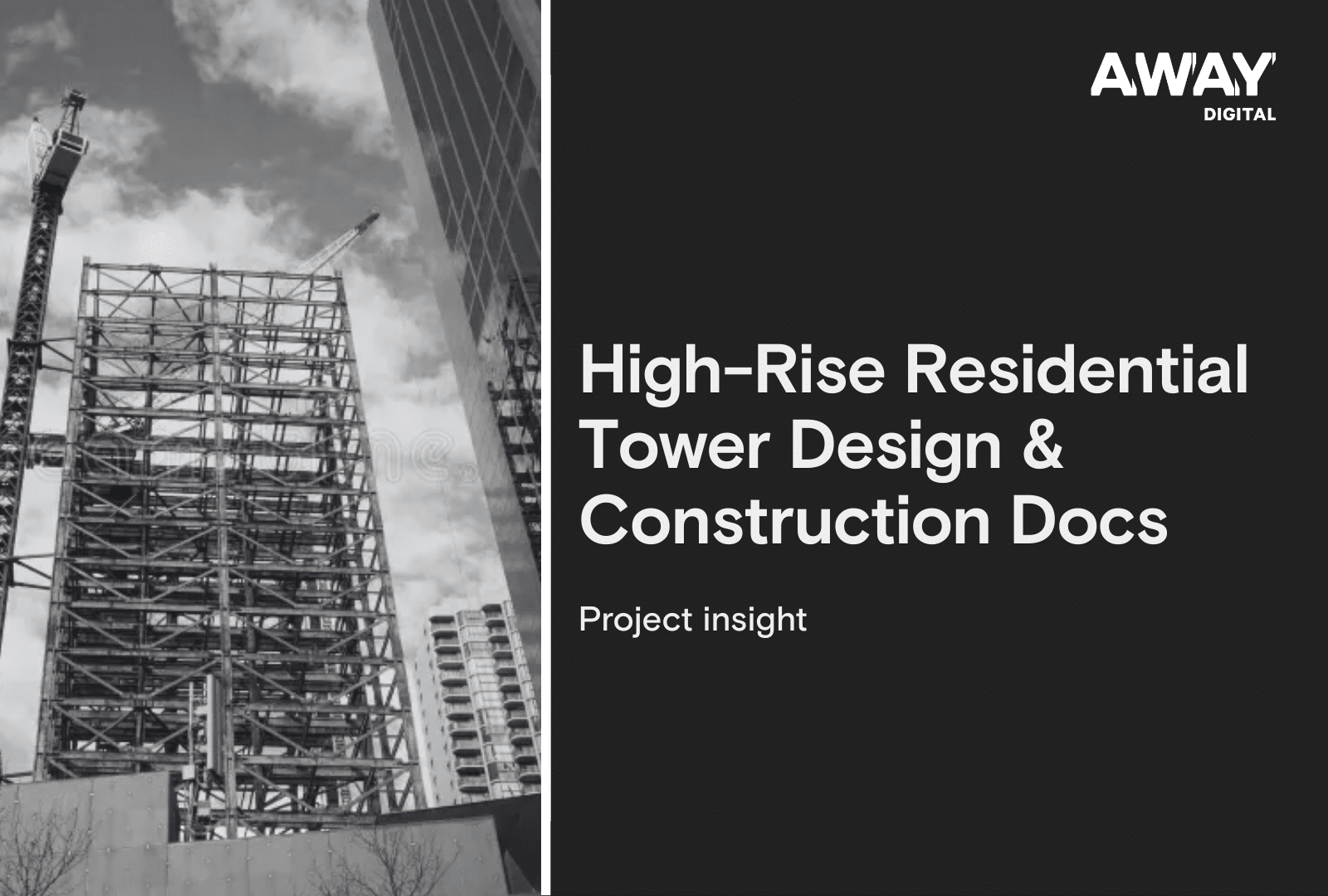
Project snapshot A 55+-storey residential tower in Australia requiring full DD and construction documentation. Away Digital supported the project from model development through to final façade detailing and coordinated service drawings. Project overview Location: AustraliaSector: Student accommodationDuration: 2 years 3 months Scope of work Project stage: Design development and construction drawing packagesScale: 55+-storey tower with […]
Sign up to receive a monthly email on the latest updates, features, and news!
